A regional operator who has been active for three or four months with 30 to 60 drivers will receive, at some point in that first year, a call from a local company: a construction firm, a hotel, a distributor, someone who wants to move their employees on a recurring basis and is willing to pay. That first corporate contract feels like the most natural transition in the world: you have drivers, you have the app, you have a functioning operation. What that conversation conceals is that a corporate client is not a frequent passenger with a company card — it is a separate operation within the operation, with billing cycles that can defer payment by 30 or 45 days, service levels that must be committed to in writing, and a supplier registration process that no operator anticipates the first time.
This article is for operators evaluating whether to accept their first corporate contract, who just signed one without defining the back-office processes, or who have one or two active contracts and are noticing that corporate billing consumes more time than expected. The core argument is not that corporate accounts are poor investments — in many secondary LATAM markets they are the mechanism that stabilizes revenue between consumer demand peaks. The argument is that operators who don't separate the corporate operation from the start end up with a complicated collections process, drivers who don't understand what's different about a corporate trip, and a relationship with the first client that deteriorates before the second billing period arrives.
Why the first corporate contract catches most operators off guard
The most common mistake in the first corporate contract isn't accepting it — it's accepting it while assuming the service process will work exactly like consumer trips. Companies have a different service expectation than individual passengers on three dimensions that almost no operator anticipates. First, the company's procurement manager is not the passenger: one person negotiates the contract, a finance department approves payment, and one or more employees use the service without knowing the details of what was signed. That separation between who decides, who rides, and who pays is the source of most friction in the early months. Second, the company expects the platform to produce evidence of services rendered in a format that their accounts-payable system can process — typically a consolidated period report with trip count, employee, origin, destination, and amount, plus the corresponding tax receipt. Third, the company will evaluate service by criteria the individual passenger never applies: not just the trip rating but availability during meeting schedules, response time to employee complaints, and whether there is a direct platform contact to call when something fails.
An operator who understands those three dimensions before signing can structure the agreement so that the corporate operation adds no extra friction to the consumer operation. An operator who discovers them in the third month has to redesign processes under pressure, with a client who already has formed expectations and little tolerance for retroactive adjustments.
Three operational differences between corporate and consumer trips
Corporate trips have characteristics that distinguish them from consumer trips in terms of how they affect daily operations. The first is predictability: companies tend to have more regular demand patterns than individual passengers — airport transfers on fixed flight schedules, employee trips at the same time every day. That predictability is an advantage because it allows planning driver availability in advance, but it also creates a stricter compliance obligation: if an employee waits 20 minutes on a day when the airport is at capacity, that wait will appear in the report the procurement manager reviews at the end of the month.
The second difference is traceability: a corporate trip needs a more detailed record than a consumer trip. The employee may need to associate the trip with a cost center or a travel reason that the finance department requires to reconcile the expense. If the platform can't produce those fields in the period report, the payment approval process slows even when the service itself was good. The third difference is exception management: when a corporate trip fails, someone at the company will escalate that failure to a specific platform contact. The consumer complaint resolution process — which in most platforms is asynchronous and resolves in 24 to 48 hours — is not compatible with a corporate client who needs to know in two hours what happened with their director's trip to a board meeting.
The supplier file: what blocks the first payment
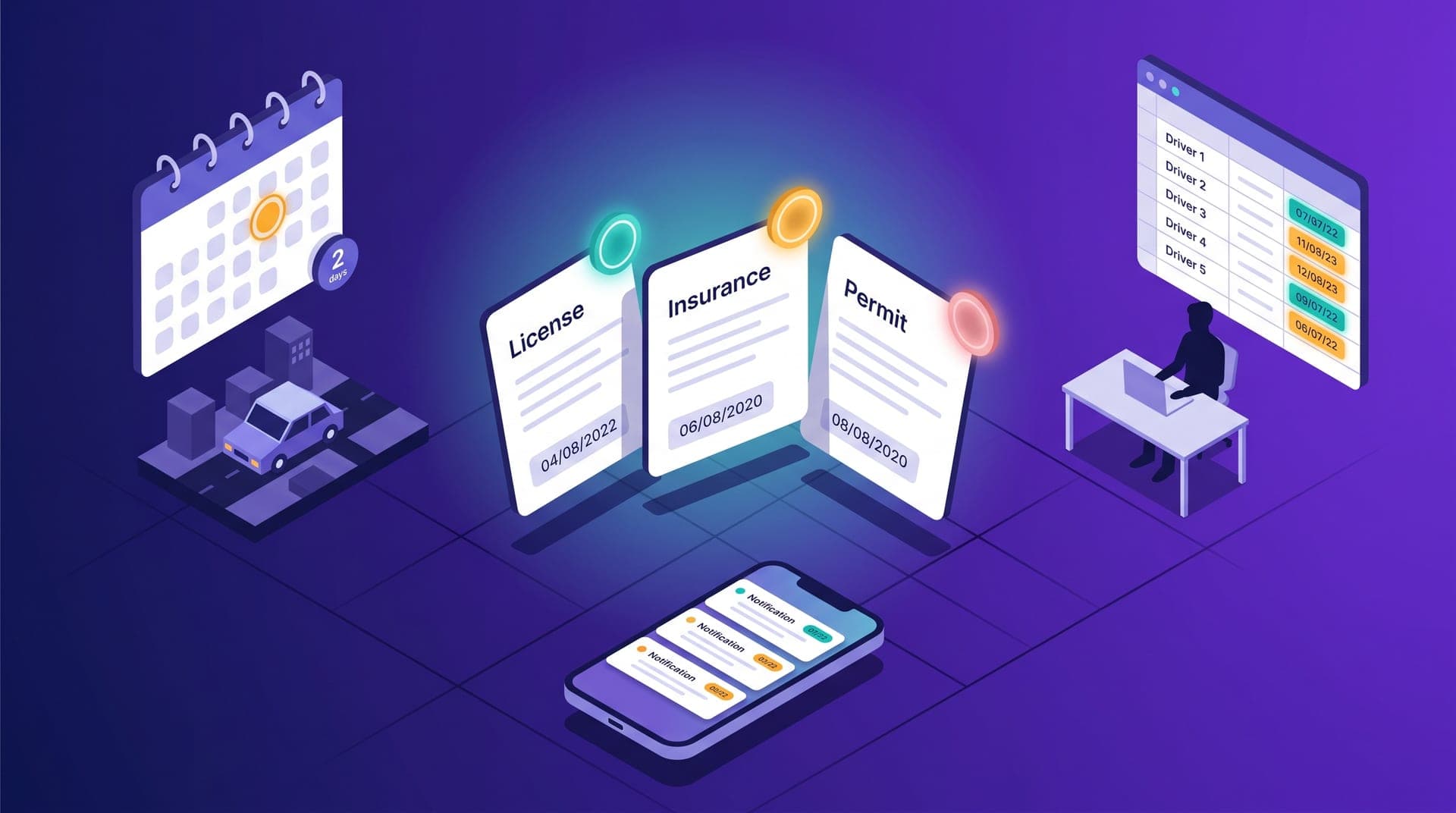
The supplier registration process at a formal company takes between two and eight weeks depending on the size of the organization and the internal bureaucracy of the finance department. Before a company can process any payment to the platform, the supplier must be registered in their system with documents that demonstrate the operating company's tax and legal standing. The specific list varies by country and client, but the set that recurs in most corporate accounts in Mexico includes:
- Updated tax standing certificate (no older than three months): the most frequently delayed document because the operator has an outdated version at the moment the client requests it
- Articles of incorporation or notarial power of attorney for the legal representative who will sign the contract: many regional operators have a formally incorporated company but don't have the notarial power available to sign contracts outside their registered address
- Liability insurance policy with coverage for passenger transport: the document that the client's risk department reviews most carefully, especially if the company has an internal insurance policy for transport service providers
- Updated proof of registered tax address: required at most mid-size and large companies to verify that the supplier operates from the address registered with the tax authority
An operator who doesn't have these documents ready and current at the start of the first contract negotiation loses two to four additional weeks in the supplier registration phase that could be resolved in a single meeting. An operator who delivers services for four weeks before being registered as a supplier is creating a collections problem that is later difficult to resolve without damaging the relationship.
Deferred billing and tax receipts: where the process stalls
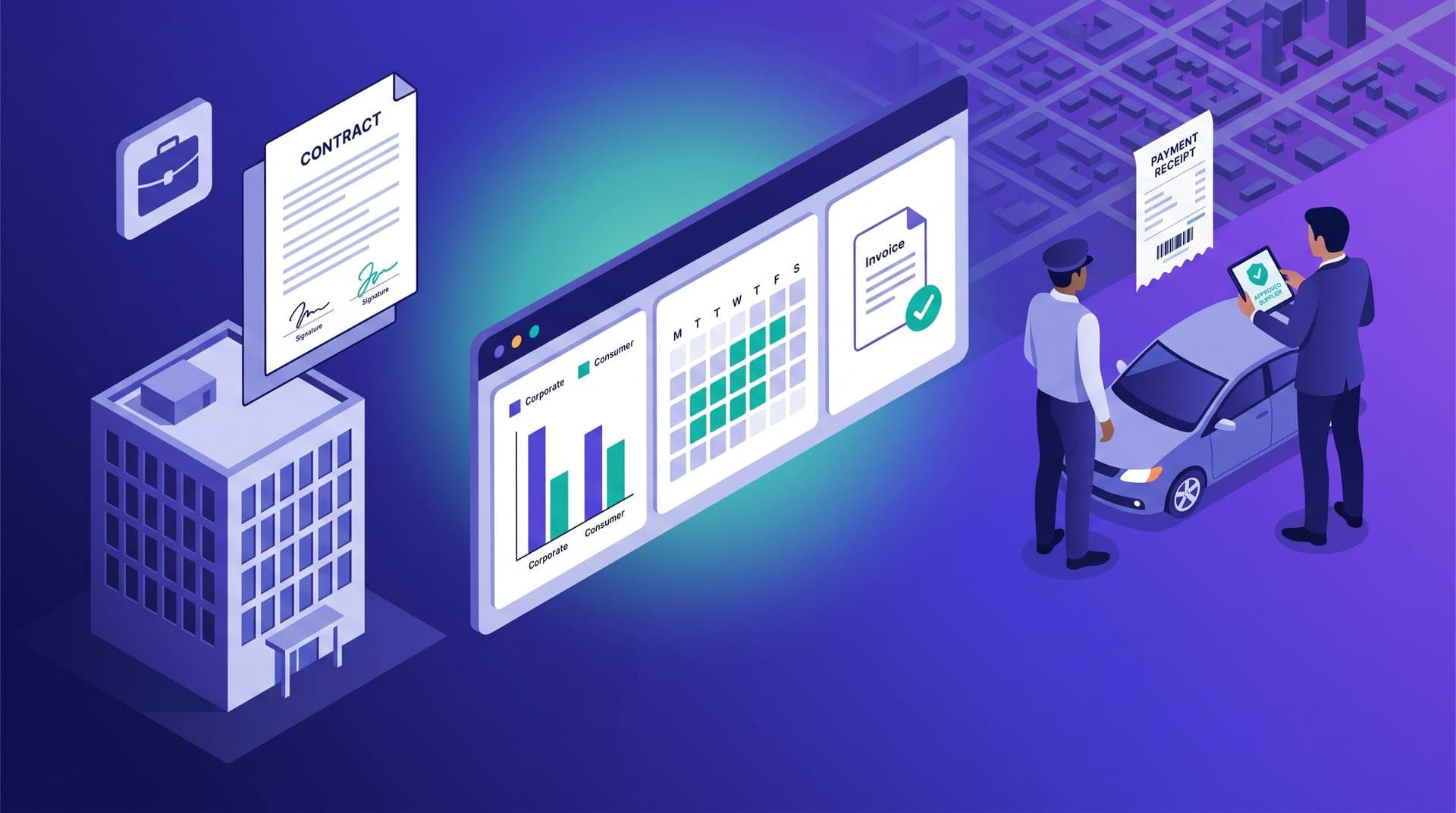
A corporate account's billing cycle differs from consumer billing on two dimensions. The first is frequency: instead of a per-trip charge, the company expects a consolidated weekly or monthly invoice grouping all services for the period. The second is payment terms: 15 to 45 days after the invoice date, depending on the contract terms. This means the operator may deliver services for 30 days before receiving any payment, and needs the working capital to sustain that gap. An operator with three or four simultaneous corporate clients can have between $3,000 and $8,000 USD in delivered but uncollected services at any point in the month.
In Mexico, the Comprobante Fiscal Digital por Internet (CFDI) is the legal requirement for the company to deduct the expense in their tax return. An operator who cannot issue a CFDI with the client's tax ID, the correct service descriptions, and the transport supplement when required creates an accounting problem for the client's finance department that translates into delayed payments and invoice adjustment conversations that consume back-office hours the regional operator typically doesn't have. The fix doesn't require a complex billing system: it requires a clear CFDI issuance process per period, with the client's data configured before the first service is delivered — not after the first problem.
The SLA that doesn't break the consumer operation
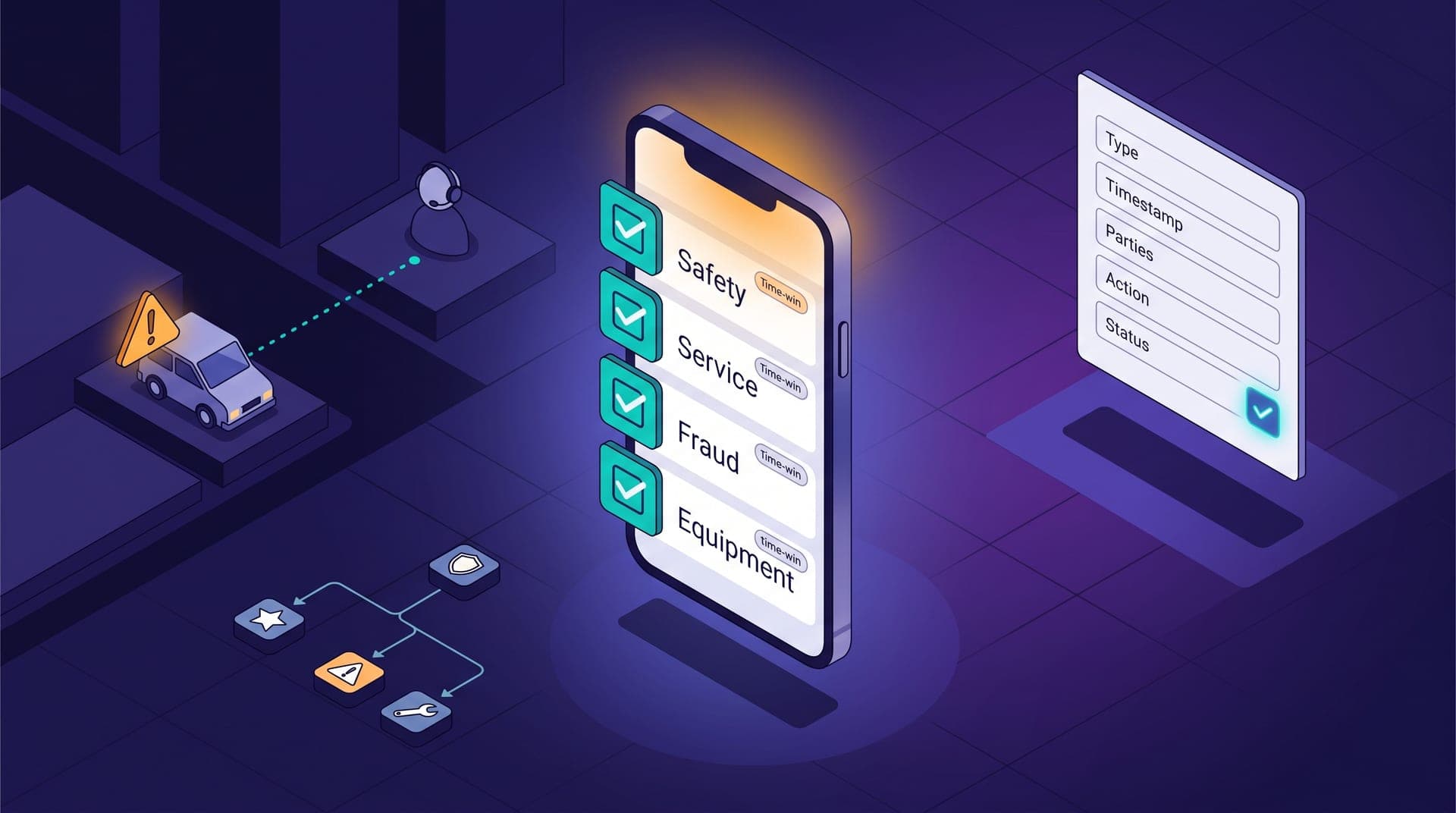
The Service Level Agreement the operator signs with a company defines what they commit to deliver and what the consequences of non-compliance are. The most common mistake in early corporate contracts is copying the quality metrics of national-scale platforms without accounting for the real constraints of a regional operation. An SLA that commits to a maximum wait time of five minutes in a city where peak active driver density is 40 will generate frequent violations and service credits that erode the contract margin. A realistic SLA for a regional operation has four components:
- Driver response time scoped to zone and schedule: committing to a maximum of 8 to 12 minutes in the city center zone during business days from 7:00 to 20:00, not five minutes across the entire metropolitan area at any hour
- Dedicated escalation channel: a specific WhatsApp number or email for the company's account manager, with a committed response time of no more than two hours on business days — not the same support line used by consumer passengers
- Automatable periodic trip report: delivered each Monday with the prior week's summary in CSV format — employee name, origin, destination, request time, driver arrival time, trip duration, and amount — without the client having to request it each period
- Capped service credits: credits as a percentage of the affected trip (20%–30%), with a monthly cap that does not exceed 5% of the total contract value so that isolated violations don't generate a structural discount on contract revenue
What to include in the first contract to protect the operator
The first corporate contracts signed by regional operators tend to be either adhesion contracts that the company presents without negotiation, or verbal agreements with no document backing the terms. Neither option protects the operator in the event of a billing dispute or early termination. The minimum contract that covers the main risks doesn't need to be a lengthy legal document — it needs to include five elements that almost no first corporate contract contains:
- Guaranteed monthly minimum consumption or minimum volume clause: protects the operator from contracts that commit drivers to specific schedules without generating the trip volume that was implied during the negotiation
- Explicit payment term in calendar days: the number of days after the invoice date within which the company must pay, with the applicable late fee rate in case of delay — not leaving this open as 'payment in 30 days' without specifying whether those are business or calendar days
- Service cancellation procedure: how many days in advance the company must cancel a scheduled trip without charge, what happens to trips canceled with a driver already en route, and whether there is a penalty for terminating the contract before the agreed end date
- Named account manager with title: the specific person at the company who manages the operational relationship — not just the procurement department as an abstract entity, but the name of the individual who can resolve a billing dispute or authorize a service adjustment
- Geographic coverage scope: the cities and zones where the platform can deliver service under the contract's conditions, with a clause establishing that any request outside that coverage is a separate service with separate pricing and without the main SLA guarantees
I signed the first corporate contract verbally after three meetings. Four months later the client hadn't paid two invoices because their finance department said the platform wasn't registered as an authorized supplier. The problem was that no one from procurement had given me the document list for supplier registration. I resolved the payment but lost the contract because the process created internal friction at the company that neither of us had anticipated. I opened the second corporate account with a two-page document defining the billing cycle, the escalation channel, and the supplier registration process before delivering the first trip. That contract is still active three years later.
An active corporate account is not just an additional revenue stream — it is validation that the operation has the back-office structure needed to sustain a client who measures service by stricter criteria than the individual passenger. The operator who arrives at the first corporate contract with the supplier file ready, a defined period billing process, and an SLA matched to actual capacity builds a relationship that can last years and generates a predictable trip volume that offsets the peaks and valleys of consumer revenue. The operator who signs first and resolves the process later spends the first three months managing administrative problems instead of managing growth.
The difference between a corporate contract that stabilizes the operation and one that complicates it is not the size of the client or the promised volume — it is whether the operator understood before signing that they were beginning a B2B relationship with its own rules for documentation, billing, and account management. The companies that make good corporate clients are not the ones that pay the fastest or generate the highest volume in the first month — they are the ones with a procurement manager who knows what they need from the supplier and an onboarding process the operator can complete in under a week. Identifying those companies before investing time in the negotiation is the skill that separates operators with three or four active corporate accounts from those who signed one, lost it, and decided the corporate segment wasn't for them.