In many cities across the region, fear of being robbed is one of the reasons a driver stops working at night, turns down trips to certain neighborhoods or leaves the operation altogether. And it isn't an unfounded fear: a taxi driver spends hours with strangers, carries cash and drives a vehicle worth a lot of money. When a robbery happens, the damage doesn't stop at what was lost that night; it spreads to the whole fleet, which starts working with less confidence.
The thesis of this article is that driver safety doesn't depend only on luck or on the police: it also depends on decisions the operation makes. How much cash circulates, which trips are accepted and how they're verified, what the driver does if something goes wrong, and how the operation responds in the minutes that follow. No measure eliminates the risk, but together they reduce it significantly and tell every driver they aren't alone.
Where the real risk lies
Before taking measures, it helps to understand how robberies usually happen in your city. In most cases there are clear patterns: certain hours, certain areas, trips requested anonymously or passengers who change the destination halfway through. Talking to your most experienced drivers is the best source: they know which situations feel wrong and why.
- Early-morning trips to isolated or poorly lit areas.
- Passengers who get in on the street without requesting the trip through the app.
- Destination changes halfway through toward a remote place.
- Drivers carrying a lot of cash at the end of the shift.
- Long stops in deserted places waiting for a passenger.
- Trips requested from new accounts with no history.
None of these points means the trip is dangerous; the vast majority end without any problem. But knowing them lets you set reasonable rules where the risk concentrates, instead of leaving each driver to decide alone, afraid and without information.
That conversation with drivers also serves another purpose: it shows them the operation takes their safety seriously, and that alone already improves trust.
Less cash in the vehicle
Cash is the first thing someone robbing a taxi looks for. The less money a driver carries, the less attractive the target and the smaller the loss if something happens. Promoting card or digital payments isn't just a convenience for the passenger: it's a safety measure for the driver.
Where cash is still necessary, set a rule so it doesn't pile up. For example, have the driver hand over or deposit what they collect several times during the shift instead of carrying it all until the end, and never show how much money they have. Some operations also limit how much change the driver carries: with little change on board, there's less to lose.
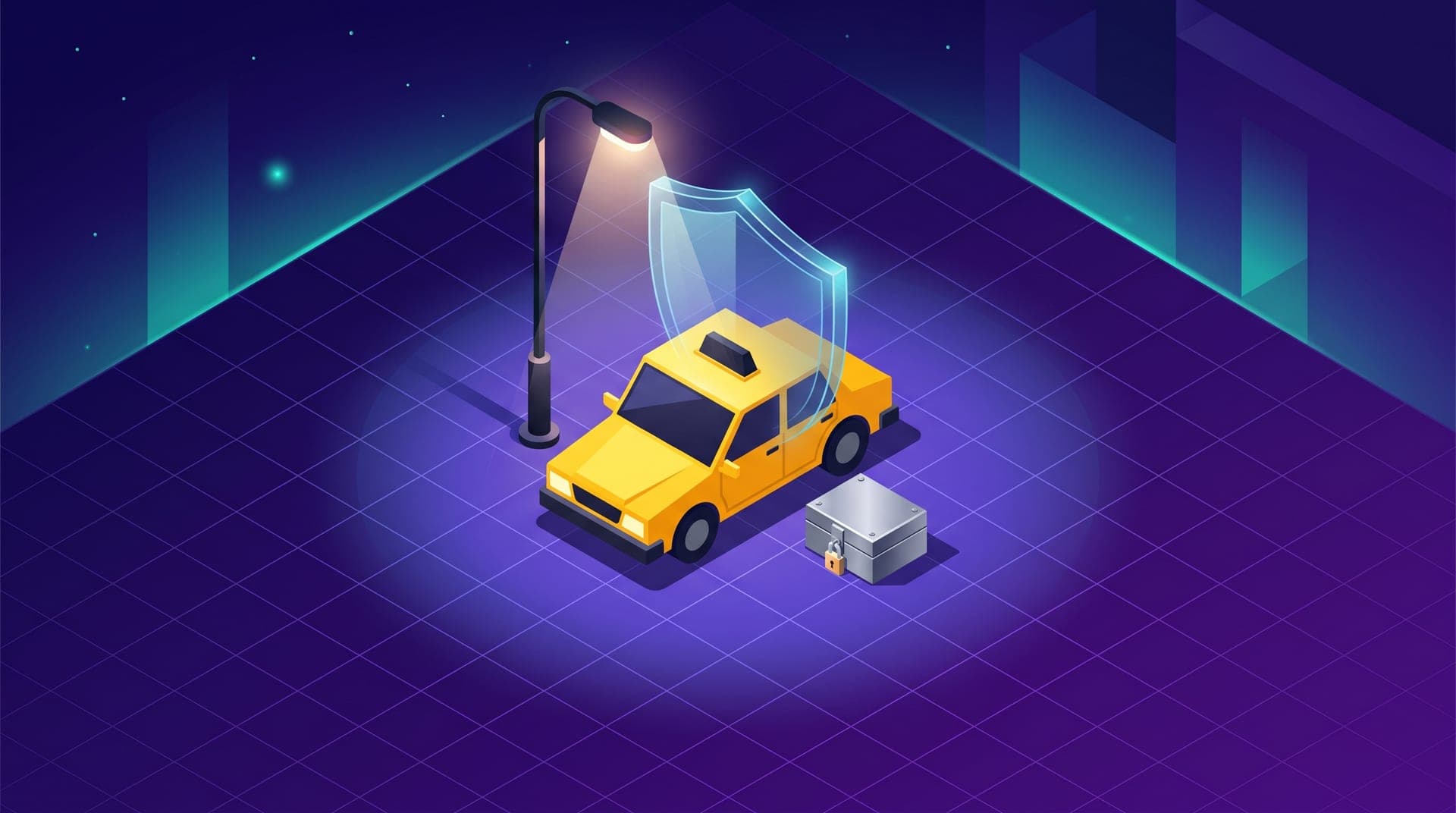
The vehicle is also a target. If your fleet has its own cars, consider installing a GPS tracker independent of the driver's phone and a system that allows the engine to be immobilized remotely, always safely and never with the vehicle in motion. These measures don't prevent the robbery, but they greatly increase the chances of recovering the car and, over time, make your fleet's vehicles a less attractive target than others.
Trips that can be traced
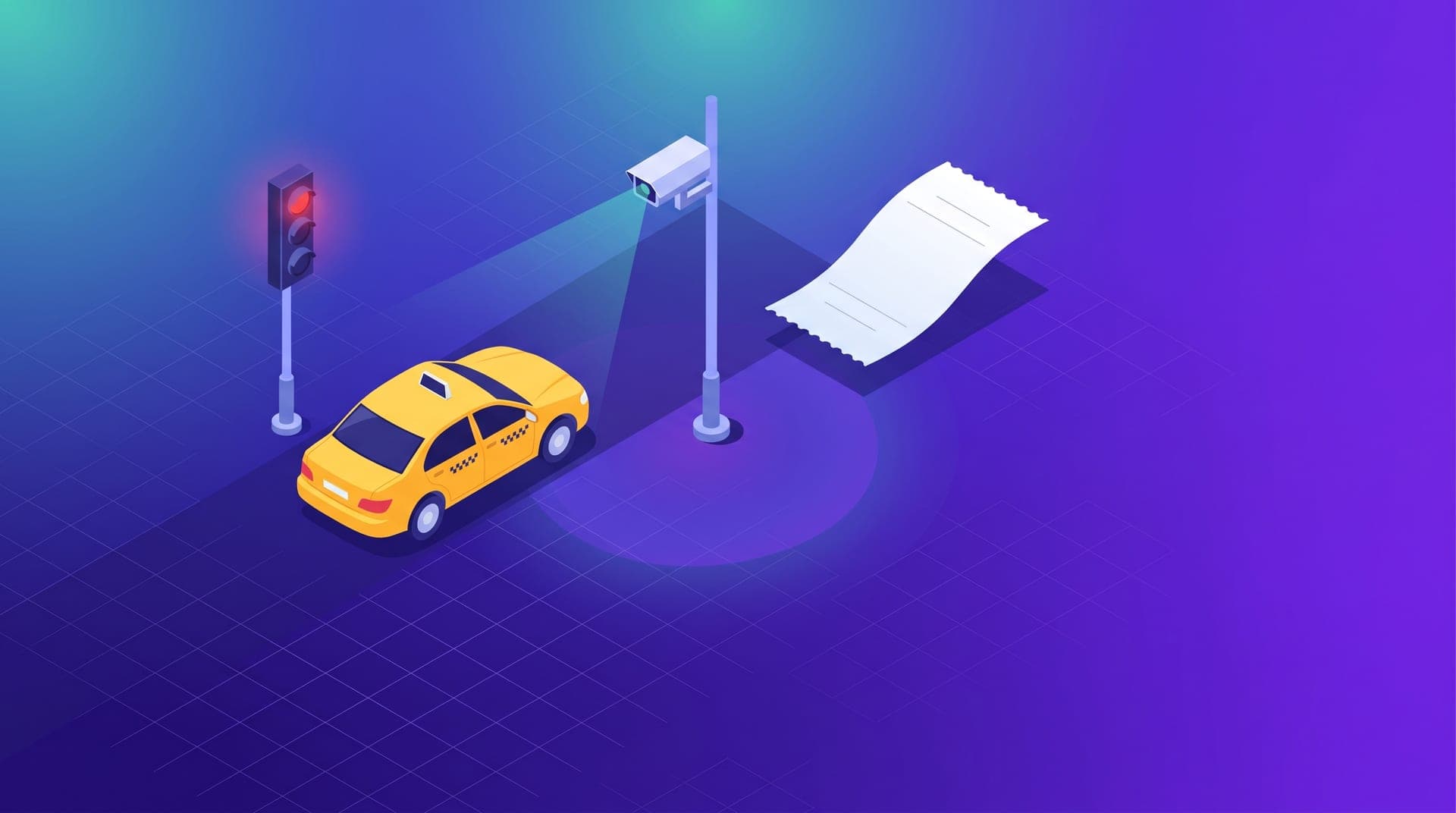
A trip requested through the app leaves a trail: who requested it, from where, at what time and to where. That trail discourages anyone thinking of committing a crime, because they know their account and location are recorded. That's why one of the most useful tips for your drivers is to always prefer app-requested trips over passengers who get in on the street, especially at night.
On the operation's side, pay attention to accounts that raise suspicion: recent sign-ups with no history requesting early-morning trips to isolated areas, or passengers with prior reports from drivers. Requiring a verified phone number at sign-up and reviewing reported accounts reduces the anonymity sought by those planning a robbery.
Another simple measure is letting the driver share their trip in progress with the operation or with someone they trust, especially on long or early-morning trips. Knowing someone is following the route in real time reassures the driver and allows a quick reaction if the vehicle deviates or stops where it shouldn't. Agree with your fleet on a word or short message that means «I need help» without the passenger noticing.
What to do during and after a robbery
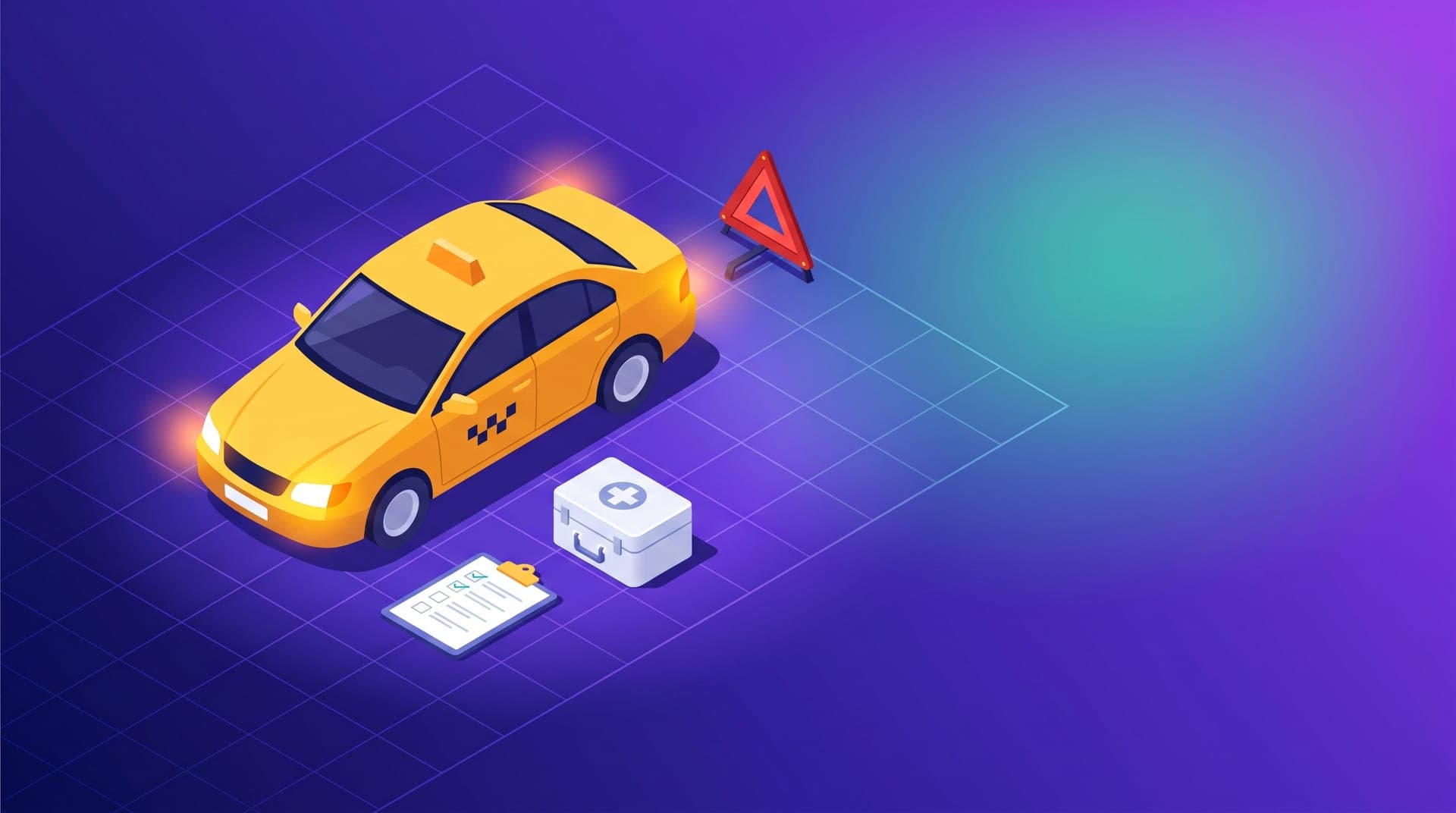
The most important rule is the simplest: life is worth more than money or the vehicle. Train your drivers so that, if a robbery happens, they don't resist, hand over what is asked, avoid sudden movements and try to remember details without staring at the attacker. No amount justifies putting themselves in danger, and the operation must make clear it will never blame a driver for handing over the money.
As soon as the driver is safe, they should notify the operation and the police. The operation's on-call person needs to know what to do: confirm the driver is okay, locate the vehicle's last position on the map, pass that information to the authorities and block the account of the passenger involved if the trip was requested through the app. Every minute counts when recovering a stolen vehicle.
Then come the difficult days. A driver who has been robbed may be afraid to go out again, especially at night. Offer them time to recover, support them with the police report and the insurance paperwork, and give them the option of working daytime hours for a while. A driver who feels backed after a bad moment usually stays; one who feels abandoned leaves.
After one of our drivers was robbed, we put together a protocol: less cash on board, permission to decline suspicious trips and someone on call who answers immediately. Robberies didn't disappear, but they went down, and above all the drivers felt again that the operation looks after them.
Rules for the night shift
The night concentrates a good share of the risk, but also a good share of the demand, so shutting it down usually isn't an option. What you can do is set specific rules: night drivers wait for passengers in well-lit places, confirm the passenger's name before they get in, avoid long stops in deserted areas and keep location sharing on throughout the shift.
It also helps to have someone from the operation available throughout the night, even if only to answer messages. Knowing there's a person on the other end changes how a driver works in the early hours. And if your city has especially dangerous areas at certain hours, share them with the fleet and review them from time to time with what drivers themselves report.
Review your insurance as well. Many policies cover vehicle theft but not cash or the driver's personal belongings, and some require specific conditions, such as an installed tracker or a police report within a certain timeframe. Knowing those conditions before anything happens avoids surprises when the coverage is needed most.
Record every incident to prevent the next one
Every robbery or attempted robbery leaves valuable information: time, area, type of trip, how it was requested and what happened. Record every case, including those that end without loss, and review them periodically. With a few months of data you'll see whether incidents concentrate in certain neighborhoods, in street pickups or at a certain time, and you'll be able to adjust the rules where they're really needed.
Share what you learn with the fleet without causing panic: the goal isn't to frighten, but to give useful information so each driver makes better decisions. A brief notice about an area with recent incidents is worth more than a rumor spreading through the groups without facts.
A fleet that looks after its people
No operation can guarantee a driver will never be robbed, but it can greatly reduce the odds and be ready to respond. Less cash on board, a preference for traceable trips, permission to decline anything suspicious, someone on call at night and a clear protocol for after an incident form a net that protects drivers and, with them, the whole operation.
If you can only do one thing this week, gather your night drivers and ask them which situations frighten them and what they'd need to feel safer. Their answers will give you the first rules of your protocol, and simply asking already tells them the operation is on their side.