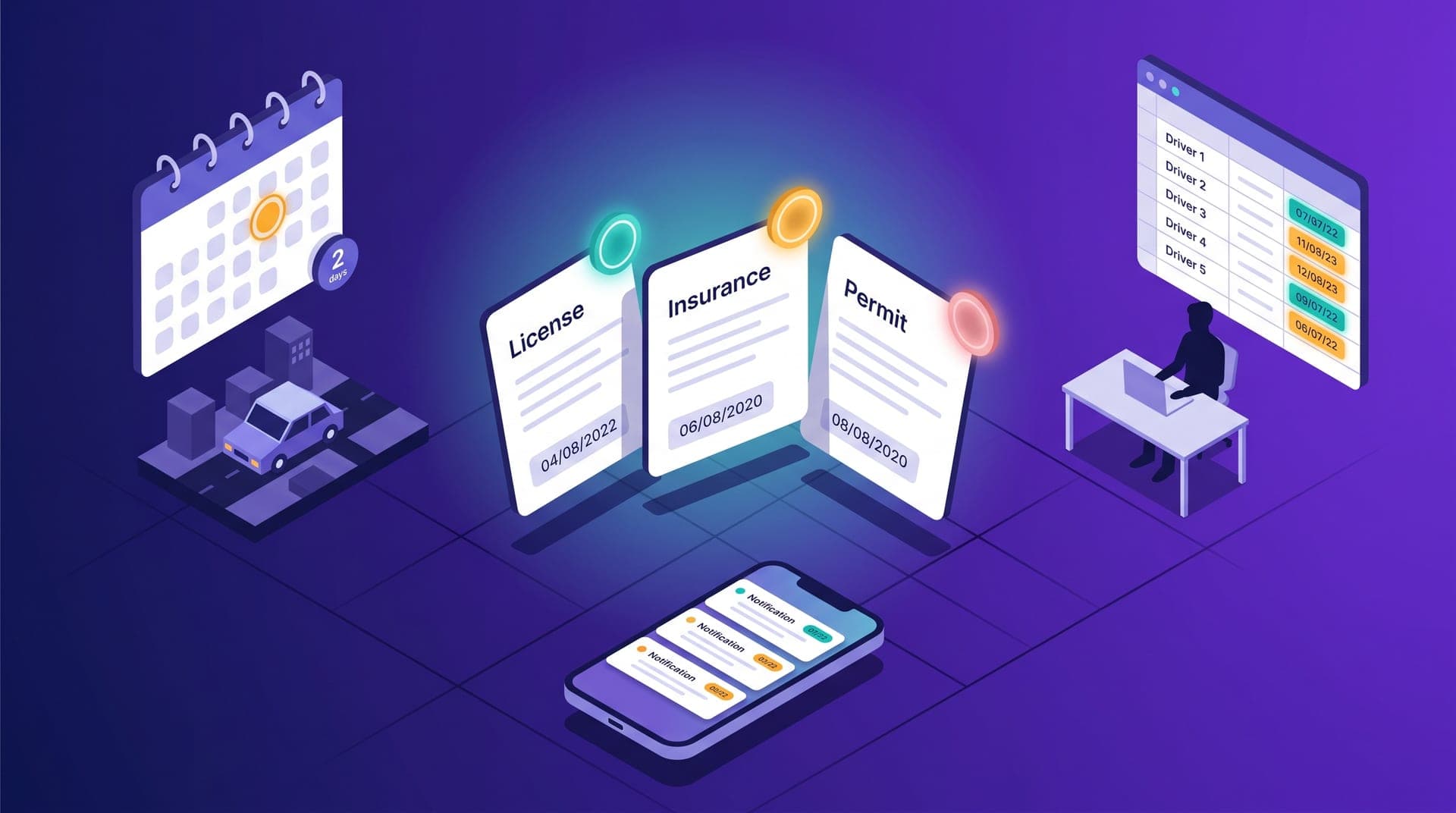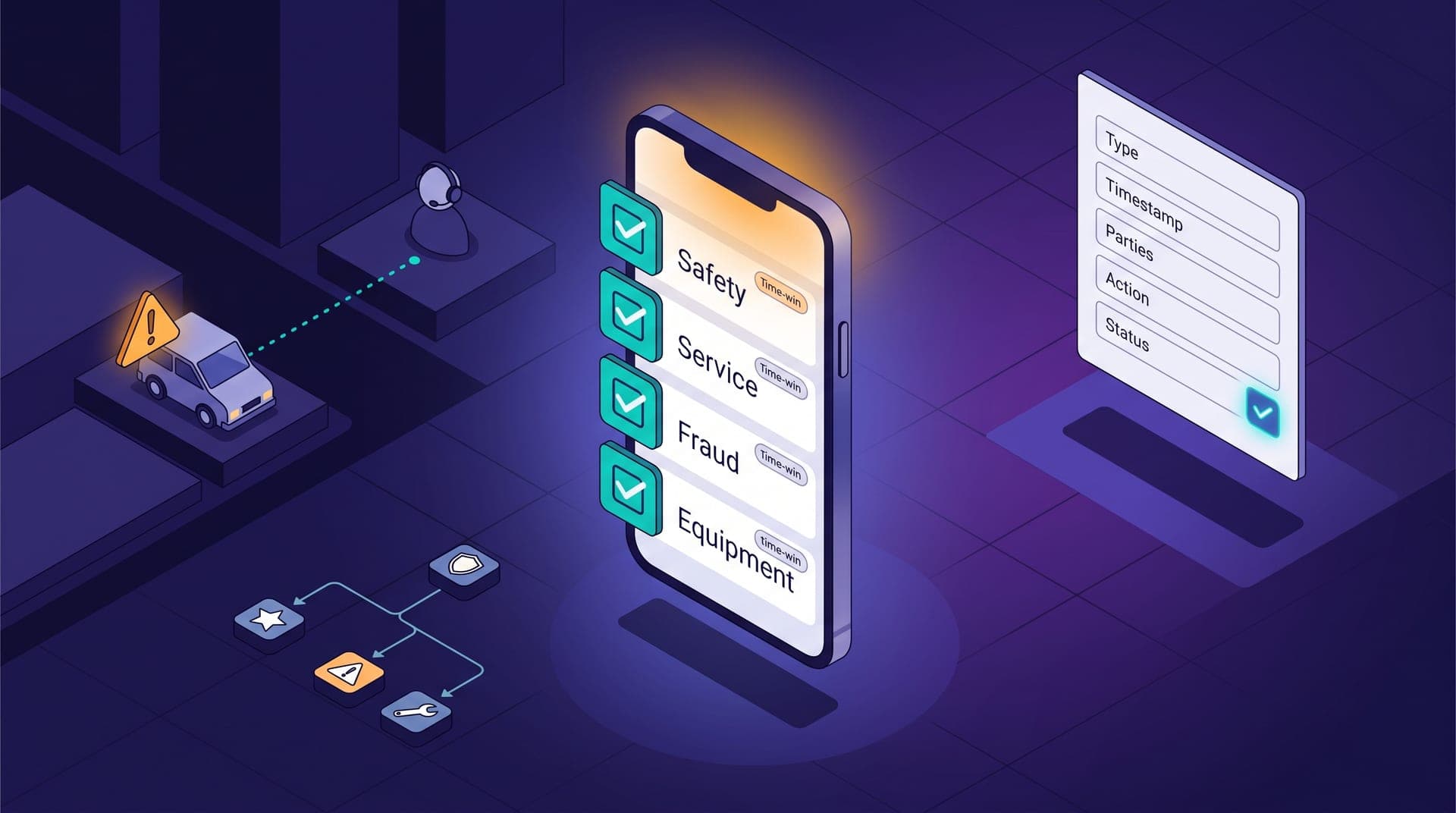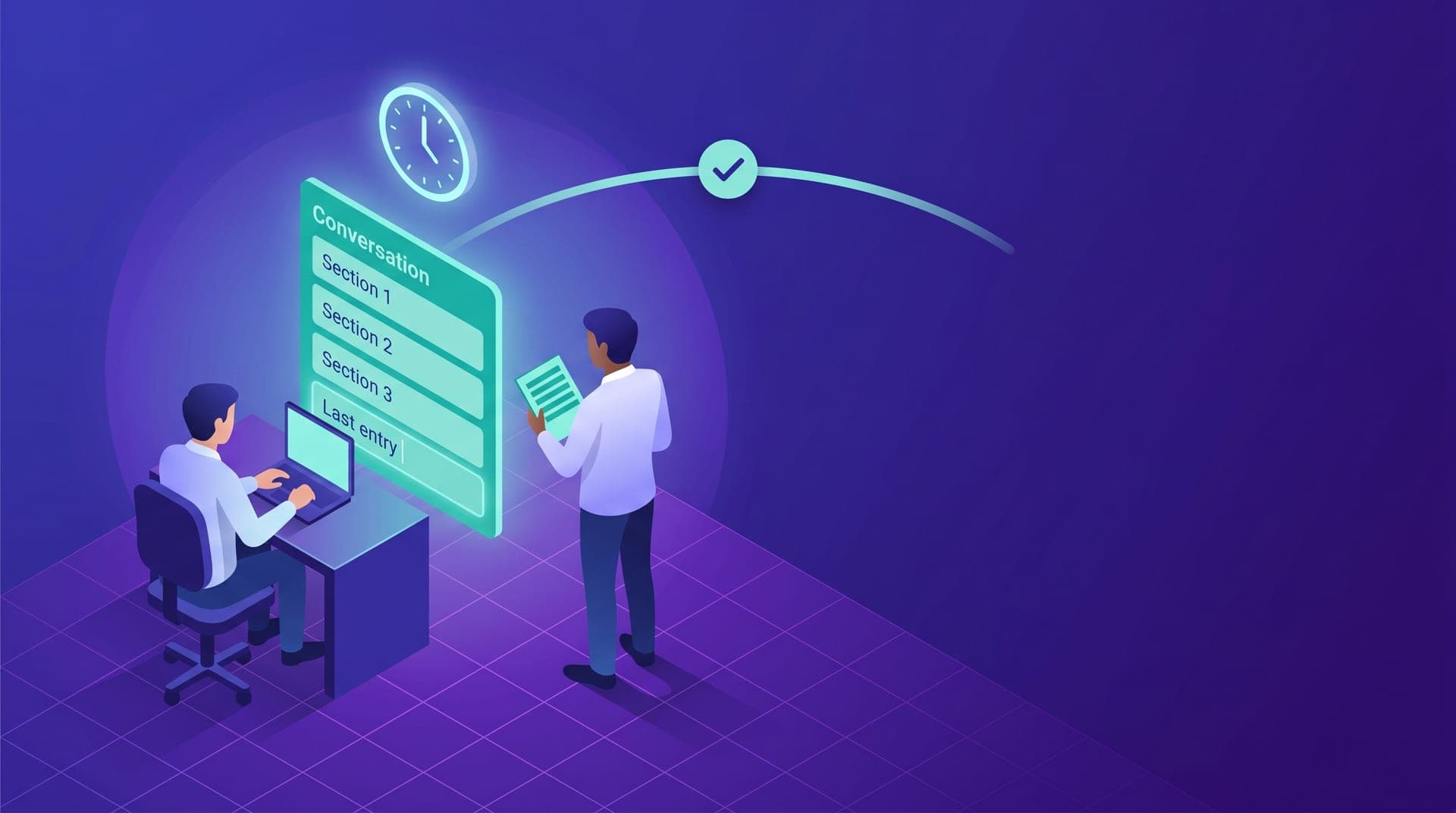
The shift handover in a regional ride-hailing operation is the most consistently underdocumented moment of the operational cycle. The outgoing coordinator carries the end-of-shift state of every zone in their head — which incidents they resolved in the last four hours, which alerts stayed open without a definitive response, which drivers had unresolved situations. The incoming coordinator has no access to any of that information unless the outgoing one transmits it directly — which in most regional operations means a two-line WhatsApp message, a five-minute call while one of them is still driving, or simply an open panel showing the current real-time state with no narrative of what happened in the hours before. The result is always the same: the incoming coordinator spends the first fifteen to thirty minutes of their shift reconstructing context instead of managing with it.
This article is for the operator with more than one active coordinator — whether because the operation has shifts covered by different people, or because the volume makes it necessary to distribute coordination across the main city and a second one. The improvised handover problem isn't exclusive to those situations, but it's where its cost is most visible: during the transition between shifts, the operation is technically more exposed than at any other point in the day, because the outgoing coordinator has already closed their attention cycle while the incoming one doesn't yet have a sufficient map to act with judgment. An agent that produces the shift summary in the last five minutes before close converts that reconstruction window into two minutes of reading — and makes the incoming coordinator's first act management, not catching up.
The real cost of the improvised handover
The context reconstruction the incoming coordinator carries out at the start of each shift has a cost most operators don't itemize because it's distributed across every handover rather than concentrated in a visible event. In an operation with two twelve-hour shifts and one daily transition, the fifteen-to-thirty-minute reconstruction window amounts to ninety to one hundred eighty hours per year of coordinator time spent recovering information that already existed — it was simply never transmitted in a usable format. It isn't idle time; it's time paid twice: the outgoing coordinator accumulated it shift by shift, and the incoming one reconstructs it from scratch without any guarantee of recovering all of it.
The most significant operational cost isn't the time — it's the decisions the incoming coordinator makes with incomplete context during that window. If the previous shift had an unresolved incident in the northern zone, the incoming coordinator can read the current panel state as stable — real-time indicators don't show the last hour's history. If a driver with a developing behavior problem was flagged by the outgoing coordinator but not transmitted in the handover, the incoming coordinator learns about it when it escalates rather than when it can still be prevented. Those aren't incorrect decisions by the coordinator — they are the cost of a handover system that doesn't document what a shift leaves open when it closes, and that cost is paid in every transition that happens without a structured briefing.
What the incoming coordinator needs before opening the dashboard
The difference between a useful handover and an empty one is identifying the four or five facts from the outgoing shift that actively condition the incoming coordinator's first decisions. Not every event from the previous shift has implications for the next one — many are incidents that closed cleanly with no open state. What matters is what the shift leaves in progress: unresolved situations, zones in a state different from their standard baseline, and external information the panel doesn't record but that determines how the data will behave in the next few hours.
- **Unresolved incidents**: what didn't close, what the current state is, and what specific next action remains for the incoming shift
- **Zones in unstable state**: any zone with more than one active alert at close, or with coverage at the lower threshold limit documented in the context file
- **Drivers requiring follow-up**: open fare dispute, ongoing technical issue, or behavior pattern the outgoing shift flagged during its hours
- **Local events in the next two to three hours**: information the agent doesn't have in the context file that will break from the historical patterns it does have
- **Active operator special instructions**: any directive communicated during the outgoing shift that hasn't yet been added to the context file
The shift summary the agent produces in five minutes
The outgoing coordinator with the agent embedded in the shift workflow already has all the material needed to produce that briefing: the alert history the agent issued, the incidents the coordinator documented in the active conversation, the diagnostics produced, and the decisions made. What's missing is the format to convert that history into the five points the incoming coordinator can read in two minutes. The agent can make that conversion in the shift's final instruction — with a single explicit request before close.
The instruction works best when it's explicit about the expected format: "Produce the shift close briefing for the incoming coordinator in five minutes. Include: open incidents with their current state, zones in a state different from their standard baseline, drivers with active follow-up, upcoming events that break the historical pattern, and operator instructions still in effect. Don't include anything that closed completely with no implications for the next shift." The agent with the conversation history in context produces that summary in under a minute. The outgoing coordinator reviews it, corrects anything that couldn't be captured because it happened outside the conversation, and sends it to the incoming coordinator through the team's standard channel.
The quality of the summary depends directly on how well the agent was used during the shift. If important decisions were made outside the conversation flow, or if incidents were resolved without logging them in the active context, the agent will produce a generic summary — accurate for what it has in context, but incomplete for the reality of the shift that just closed. The agent's ability to produce a good shift close is, in that sense, an indirect indicator of how deeply embedded it is in the coordinator's real decision flow, not just how many times it was consulted.
What goes in the handover and what stays in the log
The most common error in documented shift closes is thoroughness — a full narrative of the shift that the incoming coordinator can't process in the two minutes they have before their shift goes live. A useful close distinguishes between what conditions decisions in the next forty-five minutes and what the coordinator can review later if they need additional context. An incident that closed completely with no loose ends doesn't go in the entry briefing — its resolution belongs in the shift log for future reference, but it has no active implications. A zone that was on alert for three hours but stabilized before close doesn't go in the unstable zones state — it's resolved. The briefing has to be readable in under two minutes; what doesn't pass that test belongs in the log.
What always goes in the close without exception: any operator instruction communicated during the shift that isn't yet in the context file. That's the type of information most likely to disappear in an oral handover. The operator asks to adjust southern zone coverage for an event the following Thursday; the outgoing coordinator knows this, but if they don't put it in the close and don't add it to the context file, the incoming coordinator operates the next day without that information. An operator instruction that doesn't transfer in the close and isn't in the context file has a lifespan of exactly one shift.
How the shift close updates the context file without extra work
The structured shift close has a second benefit that extends beyond the immediate handover: the shift facts that belong in the context file surface naturally during the summary production process, without the coordinator needing to run a separate file review at the end of each workday. The practical signal is simple — if the same type of information appears in the shift close more than two or three times in a row, it belongs in the permanent context file, not just in the shift log.
An incident that appears in three consecutive closes with the same pattern is no longer a one-off — it's recurring and needs an entry in the context file with its documented resolution. A threshold the coordinator manually adjusts in four consecutive shifts because the documented level no longer reflects current reality needs to be updated in the file — the closes are revealing a miscalibrated data point. A coordinator who reads the last three closes before the weekly file review has a concrete update checklist rather than having to reconstruct what changed since the document was last touched. Shift closes accumulated over the course of the week become the most natural input for the weekly context file review.
The mistakes that reduce the shift close to empty formality
The most common design error is converting the shift close into a fixed form the coordinator fills out identically every shift, regardless of what actually happened. A seven-point close template filled in mechanically produces exactly the kind of document the incoming coordinator learns to ignore: formally complete, operationally empty. The value of the shift close is in its specificity — which zone, which threshold, which driver, which instruction — not in the consistency of the format. The agent produces that specificity naturally when it has the shift's conversation history in context; a generic form doesn't.
The second frequent mistake is separating the close from the agent workflow and producing it as a standalone document — a WhatsApp message or a spreadsheet field the agent doesn't see. The incoming coordinator receives the briefing, but the agent that coordinator will use during their shift doesn't have it in active context. Information that reaches the incoming coordinator also needs to reach the agent. If the close is produced inside the active agent conversation, the agent has it from the first message of the next shift. If it's produced outside that conversation, someone needs to add it at the start of the shift for the agent to operate with the right context from the first consultation — and that extra step rarely happens systematically.
The first day I received a structured summary from the previous shift changed how I started. I didn't lose fifteen minutes wondering why zone south had three fewer drivers than normal — the close told me there had been an app issue reported to support at the end of the shift that was still unresolved. I made the redistribution decision before demand hit peak, instead of after it was already late.
A structured shift handover with the agent doesn't eliminate the incoming coordinator's adaptation time — every shift has its own dynamic, and the first minutes always require updating the mental map against what the panel shows in real time. What the structured close eliminates is the portion of that adaptation time spent recovering information that already existed in the outgoing coordinator's head at the moment of close. That difference — fifteen to thirty minutes of reconstruction versus two of reading — doesn't seem significant in a single shift. Accumulated across three hundred and sixty-five handovers per year, it is the difference between an operation that loses quality at the most vulnerable moments of its cycle and one that moves through them with the incoming coordinator already managing with full context.
What this change requires from the operator is establishing the shift close with the agent as part of the outgoing coordinator's operational workflow — not as an optional document produced when time allows, but as the last five minutes of every shift with the same standing as the first panel check at the start. The agent does the synthesis heavy lifting when it has the conversation history in context; the coordinator reviews it, corrects anything the agent couldn't capture because it happened outside the conversation, and sends it. That's five minutes that buy the incoming coordinator the first forty-five of their shift — not to catch up, but to manage.