The trip ends, the driver states the total and the passenger pulls out a large banknote the driver can't change. Or worse: the passenger says they're going inside for the money and never comes back out. These are situations every taxi driver knows and that, in a fleet that accepts cash, happen more often than they're reported. Each one leaves the driver short of money and with the feeling that nobody backs them.
The thesis of this article is that cash payment problems aren't solved with distrust of passengers, but with clear rules, prevention and real backing for the driver. Most passengers pay without any problem; the goal is to reduce the few cases that fail without making the trip uncomfortable for everyone else. We'll look at the most common problems, how to prevent them and what to do when they happen.
The payment problems that repeat most
When drivers' reports are reviewed, cash payment problems usually fall into a few categories. Separating them helps give each one the right solution instead of treating them all the same:
- The passenger pays with a banknote the driver can't change.
- The passenger doesn't have enough money for the total.
- The passenger gets out "to fetch the money" and doesn't come back.
- The passenger disputes the total at the end and pays less.
- The passenger says they'll pay by transfer and it never arrives.
- The driver receives a counterfeit banknote.
Some of these cases are misunderstandings and are solved with information; others are deliberate attempts not to pay. Treating every passenger as a suspect damages the service, but having no rule leaves the driver alone with the problem. The middle ground is preventing what can be prevented and being clear about what to do with the rest.
The change problem
The large banknote is the most frequent problem and the easiest to prevent. A driver who starts the shift without change will have this argument several times a day. It's worth the fleet recommending they always carry a reasonable amount of small notes and coins, and reminding drivers at the start of every week.
It also helps to ask the passenger before the trip ends. A simple question as you approach the destination, such as "will you be paying cash? do you have change?", gives time to solve the problem: stop at a shop, pay part by transfer or adjust the destination. What doesn't work is discovering the problem with the car stopped and the passenger in a hurry to get out.
For counterfeit notes, the best defence is for drivers to know how to check large notes with a couple of quick tests and not to feel embarrassed doing it in front of the passenger. If a note looks doubtful, the driver can politely ask for another or suggest paying by transfer. A ten-minute training session on this saves losses that, though rare, hurt a lot.
Preventing without distrust
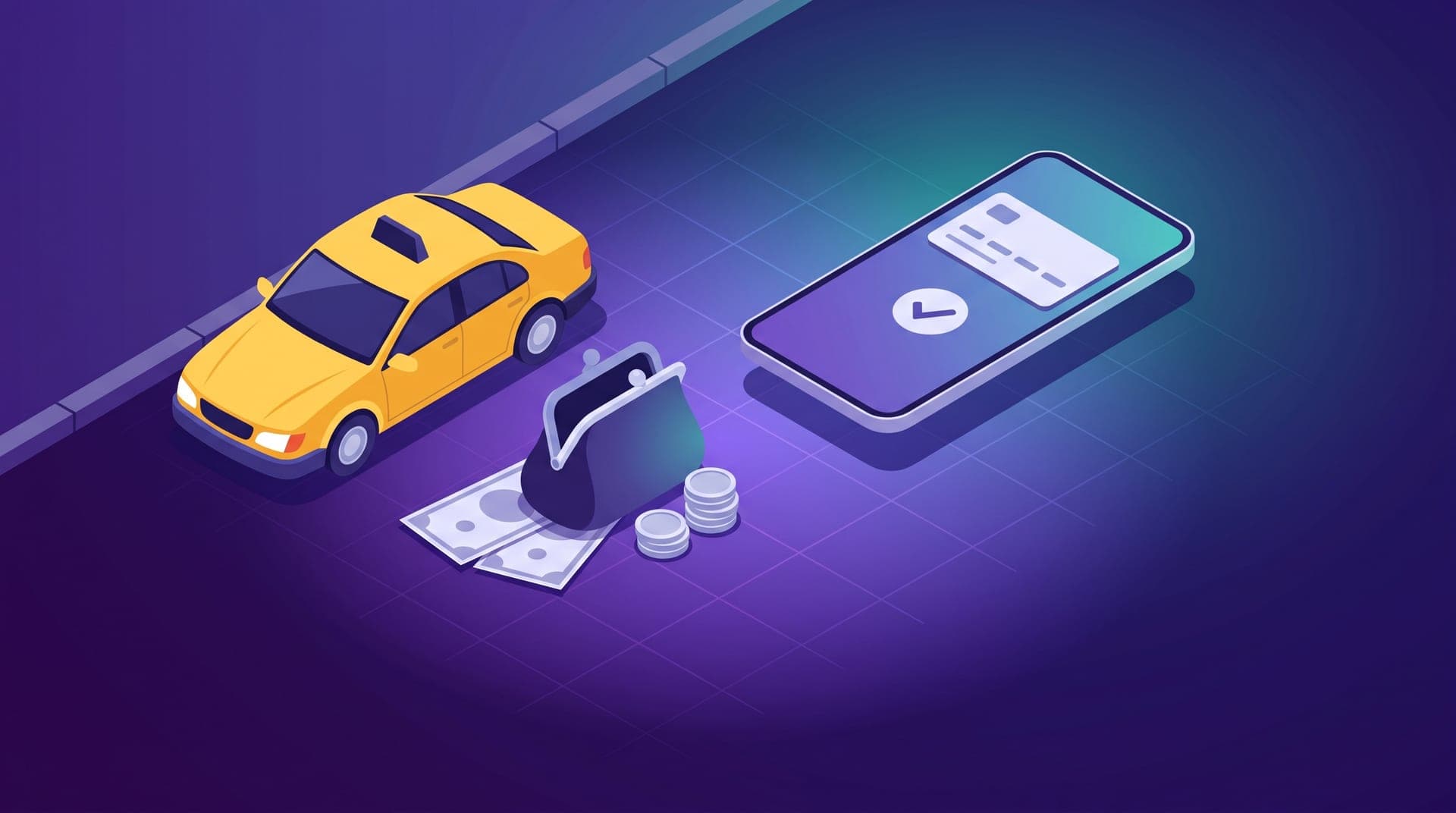
The best prevention is giving the passenger payment options. If your app allows paying by card or other electronic means, every passenger who uses it is one less trip at risk of a payment problem. There's no need to force anyone: it's enough for the option to be visible, to work well and for the driver to mention it naturally when the passenger hesitates.
Another way to prevent problems is price transparency. When the passenger sees how much the trip will cost before requesting it, there are fewer arguments at the end and fewer surprises that lead them to "not have enough". If the total changes because of stops, waiting or tolls, saying so at the time stops the passenger from feeling overcharged.
On riskier trips, such as late-night ones from bar areas or very long ones paid in cash, some fleets ask the driver to confirm payment before setting off or halfway through. If it's done politely and as a rule for everyone, honest passengers aren't offended and anyone planning not to pay thinks twice.
Something similar happens with transfers. The passenger who says "I've already sent it" and shows a screen on their phone hasn't always sent the money. The safest rule is for the driver to confirm the payment has reached their account before saying goodbye, or for the fleet to define which means of transfer are accepted and how they're verified. A written rule saves the driver from having to voice distrust.
What to do when the passenger doesn't pay
When a passenger doesn't pay, the driver's safety comes first. No trip is worth a fight, and chasing someone or keeping them in the car can turn a money problem into something much more serious. The rule must be clear: the driver doesn't argue or take risks, notes what happened and alerts the dispatch centre.
What the fleet can do is use the trip information. If the passenger ordered through the app, there's a record with their account, phone number and route. With that, the dispatch centre can contact them to remind them about payment, which is often resolved because it was an oversight or a misunderstanding. If it happens again, the fleet can decide to stop accepting their cash trips or block their account, if the app allows it.
Before, when a passenger didn't pay, the driver was left with the loss and the anger. Now they tell us, we contact the passenger with the trip details and they almost always pay. Those who don't can no longer request with cash. Drivers stopped rejecting night trips because they know they're not alone.
It's worth making the driver's report easy: a message to the dispatch centre with the trip code, the time and what happened. If reporting takes effort, drivers stop doing it and the fleet loses the information it needs to act.
Backing the driver
A driver who loses a trip to a passenger who didn't pay needs to feel the fleet is on their side. That doesn't necessarily mean refunding the money in every case, but it does mean listening, recording the incident and doing something about the passenger. A driver who feels nobody backs them starts rejecting cash trips or trips from certain areas, and that affects all passengers.
Some fleets define a clear policy: if the incident is reported in time and with the trip details, the fleet absorbs part of the loss or deducts the amount from the driver's commission. Others prefer to focus the effort on recovering the payment. Either works if it's written down and applied equally to everyone.
It's also worth recognising drivers who handle these situations well: those who ask the payment method at pickup, always carry change and report incidents on time. Sharing their good practices in the fleet group helps others copy them, and it's far more effective than any new rule arriving from the office without explanation.
Measuring to improve
Keeping a simple record of payment problems, even if they're few, helps a lot. With a few weeks of data, the fleet knows at what times and in which areas they concentrate, whether they come from new passengers or accounts with a history and whether the measures taken are working. Without that record, every case seems isolated and the pattern is never seen.
That record also helps decide where to push electronic payment. If most problems come from night trips from certain areas, it may be worth promoting card payment more at those times, or asking for payment confirmation before setting off only in those cases, instead of complicating every trip in the city.
What to take away
Cash payment problems don't disappear by themselves, but they drop a lot with simple rules: enough change, asking the payment method when the passenger gets in, clear prices, electronic payment options, the driver's safety first and real backing when something goes wrong. None of these measures bothers the honest passenger, who is almost always the majority.
If your fleet runs on its own app, use each trip's data to recover pending payments and to decide which passengers can keep paying in cash. A driver who knows the fleet backs them accepts more trips, and a fleet with fewer rejected trips is a fleet passengers choose.