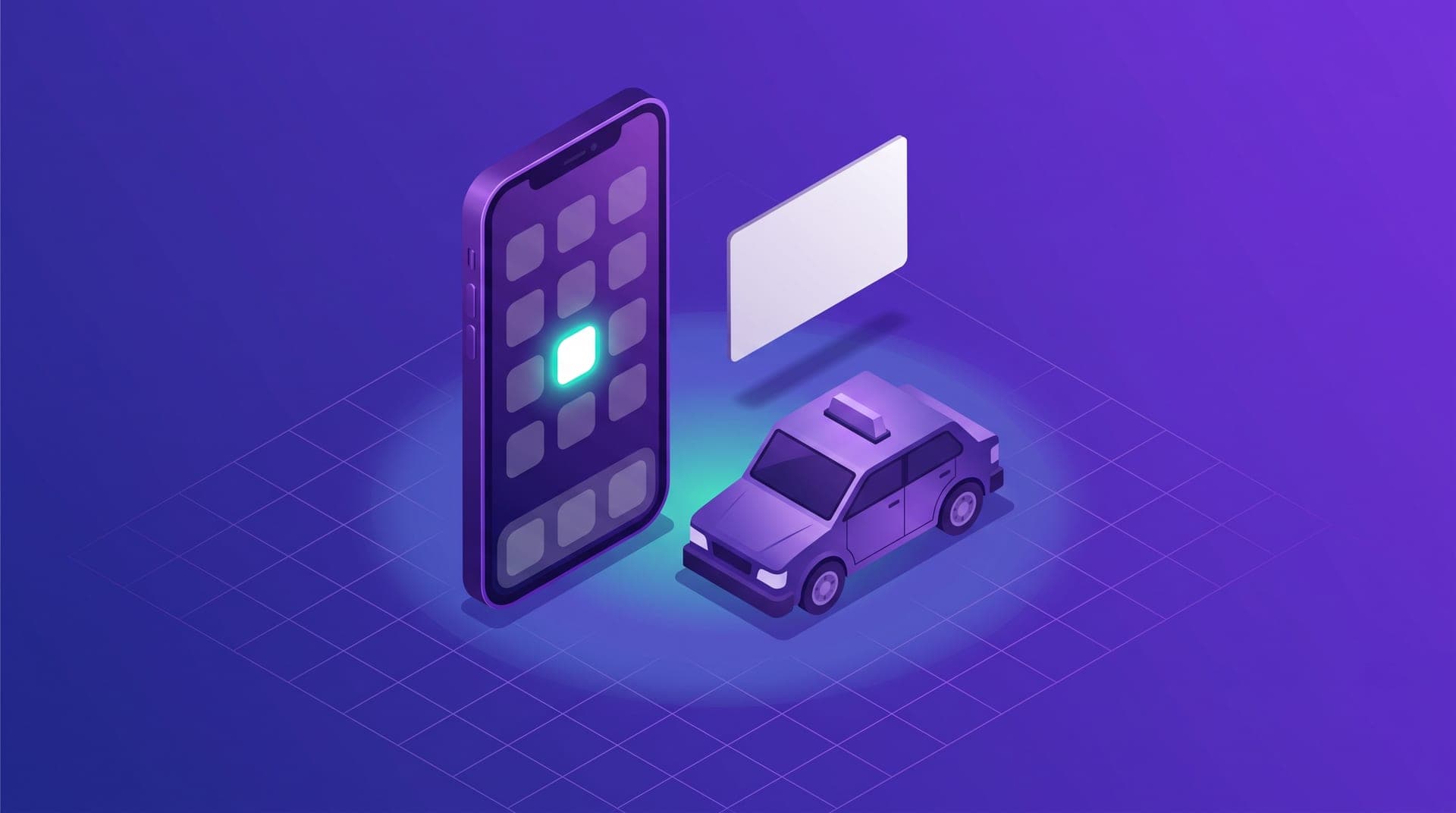
The day a fleet publishes its own taxi app in the stores usually feels like a goal achieved. The app is approved, the name appears on Google Play and the App Store, and the drivers already have it installed. But at that moment the app has zero passengers. Nobody in the city knows it exists, and an app nobody downloads doesn't generate a single trip, however good it is.
The thesis of this article is that the first downloads don't come from mass advertising, but from a physical and personal presence in the city: the drivers, the shops, the places where people already wait for a taxi and the local communities. A regional fleet has an advantage the big apps don't: it's on the street every day. We'll look at why the download is the first obstacle, how to turn drivers into the main channel, which physical spots work, how to use local communities, what happens after the download and what to measure.
Why the download is the first obstacle
Asking someone to download an app is asking a lot more than it seems. They have to search for it in the store, wait for it to install, grant permissions, register with their phone number and, above all, trust that it's worth it. Many people already have a big platform's app on their phone and don't see why they'd need another one. Others have never booked a taxi by app: they phone for one or hail it in the street.
That's why the question isn't just how to become known, but how to make the download happen at the moment the person has a reason to do it. The best moment is right after they've received good service, or when they're waiting for a taxi and none comes by. At those moments, the download stops being a favour and becomes a solution.
Drivers, the main channel
No advert reaches so many people with so much trust as a driver who has just given a good ride. Every driver in your fleet does several trips a day with passengers who are already using the service, and a personal invitation at the end of the trip carries a weight no social media post can match. The driver can help install the app right then, if the passenger wants.
For it to work, the driver needs simple tools and a reason to do it. These are the ones that help most:
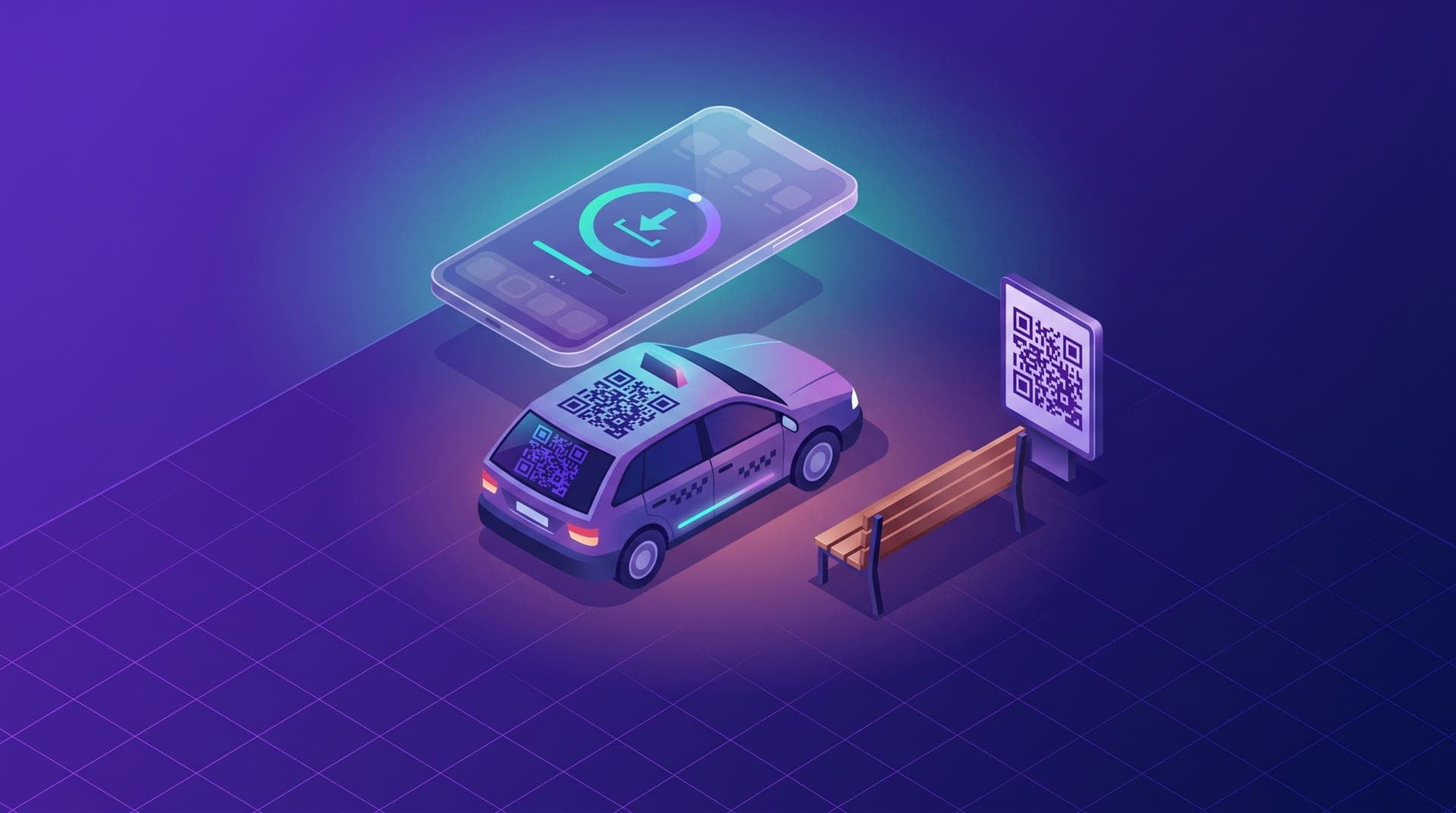
- A visible QR code inside the car that goes straight to the store.
- Cards with the app's name to leave with the passenger.
- A short, natural line to invite people, without pressure.
- Knowing how to explain in one line what the passenger gains from the app.
- Recognition for the drivers who bring in the most passengers.
- Asking frequent passengers to book through the app next time.
What the passenger gains has to be said clearly: knowing how much they'll pay before getting in, seeing where the taxi is, not having to phone or wait in the street. If the driver just says "download the app", it sounds like asking a favour; if they say "this way you don't have to call, you can watch it arrive on the map", they're offering something.
We put a QR code on the back of every seat and asked drivers to invite passengers to download the app at the end of the trip. In the first weeks most downloads came from there, not from social media. People already trusted the driver, and that carried over to the app.
Physical spots where people already need a taxi
After drivers, the best places to get downloads are those where people are already thinking about a taxi: the supermarket exit, the bus station, the hospital, event venues, universities. A sign with a QR code and a clear line, placed where people wait, turns the wait into a download. Many shops agree to put up the sign at no cost, because it's useful for their customers to have an easy way home.
The sign's message should be concrete and local. There's no need to explain the technology: it's enough to say it's the city's taxi, that it's booked from the phone and that you can watch it arrive. And if the spot has an agreed pickup point, the sign can say exactly where to wait.
Another option that works well is to be there in person on the busiest days: a table at the market exit on Saturday, or someone from the fleet at the bus station when the buses arrive. Helping people install the app right there, and having a driver pick them up minutes later, leaves a first impression that's hard to forget.
Local communities and networks
In a regional city, information travels through neighbourhood WhatsApp groups, the city's Facebook pages, school parents' groups and parish notices. An honest post in those spaces, saying that the long-standing fleet now has an app, usually goes further than a paid ad. What matters is to speak as what you are, a company from the city, and not as just another platform.
If you decide to use an incentive for the first downloads, make it modest, time-limited and easy to understand, like a discount on the first trip. An overly generous incentive attracts people who are only after the promotion and don't come back, and leaves drivers with trips that don't pay.
What happens after the download
A download is worth nothing if the first experience goes badly. The first minutes with the app decide whether the passenger stays: whether registration is short, whether they understand how to book a trip and, above all, whether they find a taxi the first time they try. That's why it's best to launch in an area where the fleet already has enough drivers, rather than promoting the app across the whole city from day one.
The first trip deserves special attention. Ask drivers to take care with anyone using the app for the first time: to confirm the pickup point if there's any doubt, to explain how the trip shows on the map and, at the end, to ask whether everything was easy. A passenger who has a good first experience in turn becomes someone who recommends the app to their family and neighbours.
It also helps to have a channel ready to answer questions. In the first days, many people will write because they don't know how to register, didn't receive the code or don't understand something in the app. Answering quickly, through the channel people already use in your city, keeps a small question from turning into an uninstall.
What to measure in the first weeks
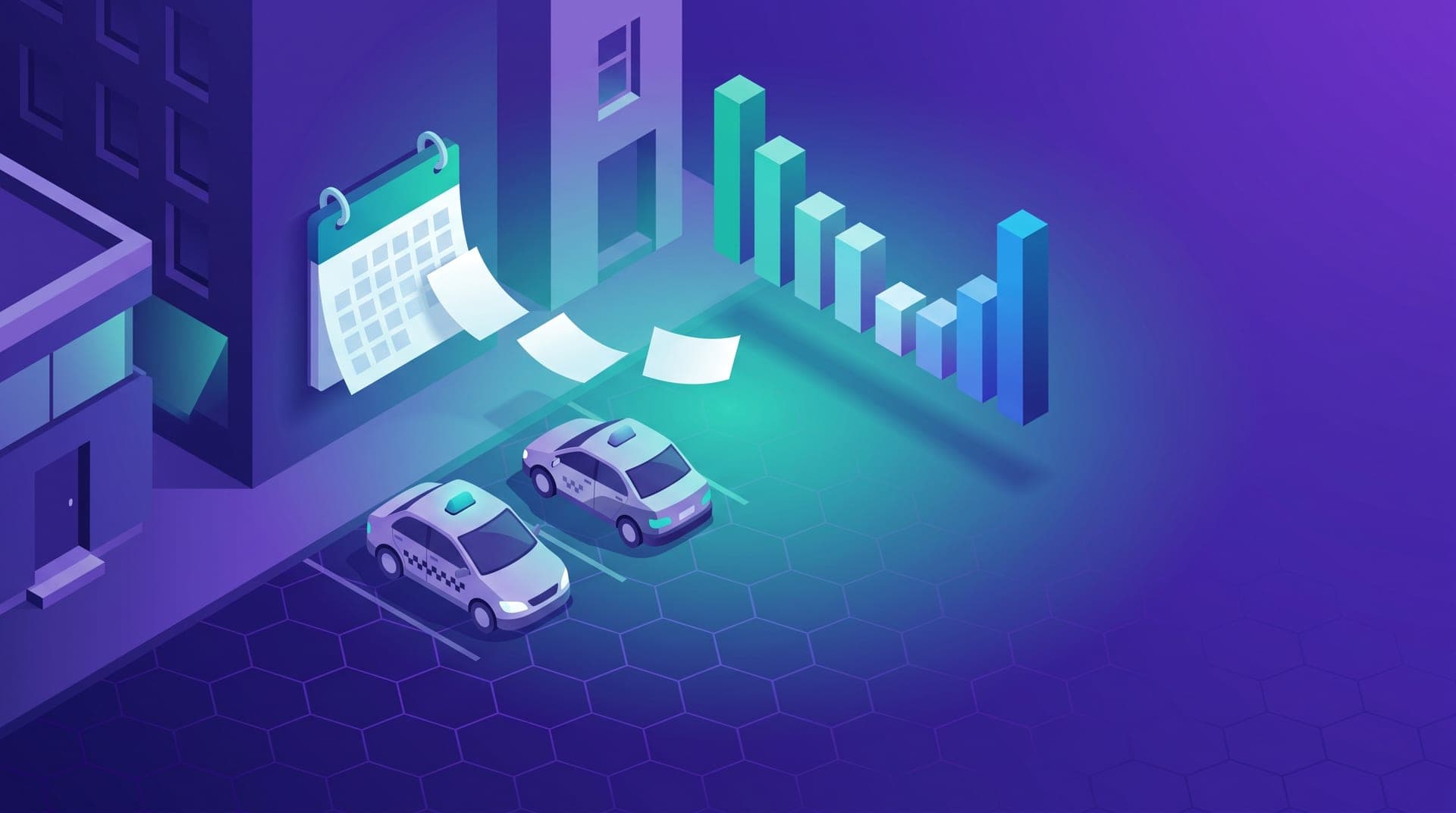
Downloads are only the first step. What really matters is how many of those people register, how many book their first trip and how many book again. If many people download but few register, there's a problem with registration or with trust. If they register but don't book, perhaps they can't find a taxi or the price surprises them. And if they book once and don't come back, there's something in the experience to fix.
It's also worth knowing where they come from. Using different QR codes for the cars, the shops and social media lets you see which channel brings the most passengers and where it's worth pushing harder. With a few weeks of data, the fleet can focus its effort on what works in its city.
The city as a channel
Getting the first downloads of a regional taxi app doesn't depend on a big advertising budget, but on making the most of what the fleet already has: drivers who talk to passengers every day, a presence where people wait for taxis and a relationship with the community the big platforms can't copy. The download happens when someone has a reason to do it, and the local fleet is in the right place at the right moment to give them one.
If you're about to launch, start with the simple things: a QR code in every car, a line for drivers, signs in three or four key places and a weekly look at how many downloads turn into trips. And with Cabgo you can launch your own branded taxi app, ready for your city to download.