More and more regional cities receive visitors from other countries: tourists arriving in a heritage town, engineers working at an industrial plant, exchange students, families coming to a wedding. Many don't speak Spanish, don't know the city and distrust taxis because they were overcharged elsewhere. For a local fleet, they're valuable passengers: they usually take several trips, pay without haggling and, if they're happy, recommend the service to other visitors.
The thesis of this article is that serving a foreign passenger well doesn't require every driver to speak English, but reducing uncertainty: making sure they know how much they'll pay, where they're being taken and how to communicate if something goes wrong. A fleet that resolves those three doubts earns a trust informal options can't offer. We'll look at what worries these passengers, how to handle language, how to manage payments, what to expect from drivers, where to find them and how to turn them into recommendations.
What worries a foreign passenger
A visitor who doesn't speak the language or know the city gets into a taxi with several questions in their head, even if they don't say them out loud. Understanding them is the first step to resolving them:
- Will I be charged more for being a foreigner?
- Is the driver taking me the right way?
- How do I explain where I'm going if we don't speak the same language?
- Can I pay by card or do I need cash in local currency?
- Is it safe to get into this car?
- Who do I contact if I leave something behind or something happens?
A taxi app resolves several of these doubts on its own, as long as it's set up well: the passenger types the destination instead of explaining it, sees the estimated price before accepting and follows the route on the map. That's why, for the visitor, booking a taxi by app usually feels much safer than hailing one in the street.
Solving language without everyone speaking English
Your drivers don't all need to speak English, and requiring it in a regional city would be unrealistic. What does help is making sure the passenger doesn't depend on speaking to use the service. If the destination is written in the app and the price is shown on screen, the conversation comes down to a greeting and confirming the name. Phone translation apps handle the rest if needed.
It's also worth preparing drivers with a few basic phrases in English: greeting, confirming the destination, saying they've arrived and saying goodbye. A card with those phrases, or a written version to show on the phone, costs little and tells the passenger the fleet has thought about them. And if you have some drivers who speak another language, identify them: they can handle trips from the airport or hotels with frequent visitors.
Payments: what causes the most distrust
The moment of payment is where the most distrust builds up. Many visitors arrive without local currency or with large notes, and fear the driver won't have change or will charge a different amount from the one agreed. If your fleet accepts card payments, it's worth saying so clearly from the start, because for many foreigners it's the main reason to choose an app-based service.
If payment is in cash, the price the passenger sees in the app must be exactly what's charged, and the driver must carry enough change. Overcharging a foreigner, even slightly, is the fastest way to lose their trust and that of everyone they tell. A clear single-price policy, the same for all passengers, protects the fleet's reputation better than any promotion.
Tips are another topic that causes doubts. In some countries a tip is compulsory and in others it's almost offensive, so many visitors don't know what's expected of them. It's best for the fleet to have a clear stance, for drivers not to ask for one and, if the passenger wants to leave something, for it to always be voluntary.
We have many foreign engineers working at the plants in the area. At first they hailed taxis in the street and complained they were charged differently every day. Since they started using our app they see the price before getting in, and several now always book with us and recommend us to the new arrivals.
What to expect from drivers
With a foreign passenger, details count double. A clean car, a driver who helps with the luggage, follows the route on the map without unexplained detours and makes no inappropriate comments conveys safety. Many visitors have already had bad experiences on other trips, so they arrive alert to any sign of being taken advantage of.
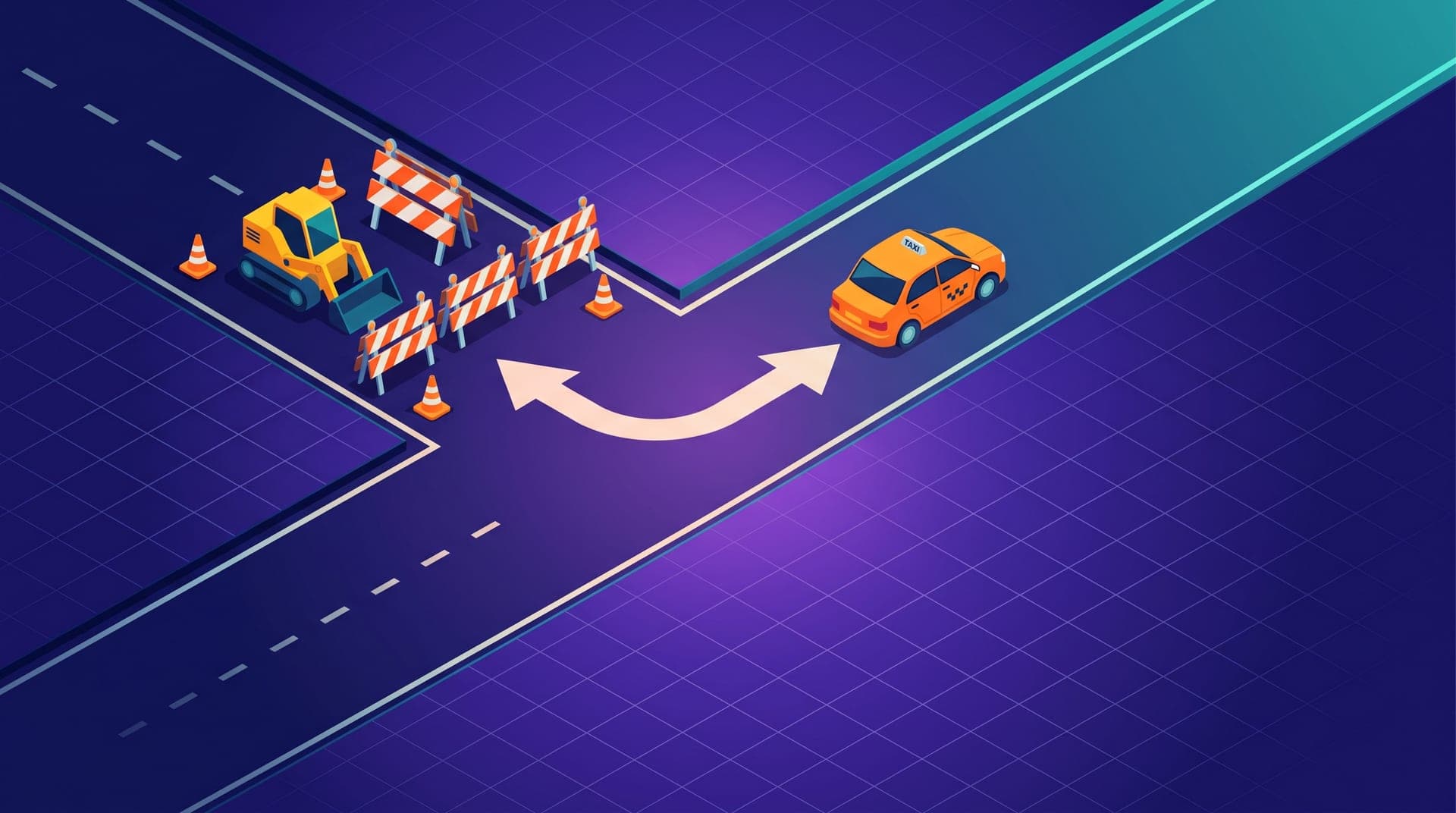
If for some reason the driver has to take another route, because of roadworks or a closure, they should explain it, even with gestures or the phone's translator. An unexplained detour is exactly what worries someone who doesn't know the city most. And at the end of the trip, reminding the passenger that they can book again from the same app is usually enough for them to do so. A good trip with a visitor is often the first of several during their stay.
It's also worth talking to drivers about prejudices. Some believe a foreigner can be charged more because they "have money", or treat them impatiently because they don't understand. Explaining that this passenger can bring many others, and that a single bad experience gets told in reviews read by visitors from all over the world, usually changes the attitude. The rule is simple: the same treatment and the same price for every passenger, wherever they come from.
Help if something goes wrong
The visitor's third doubt is who to turn to if something goes wrong: an item left in the car, a driver who doesn't arrive or a charge they don't understand. For someone who doesn't speak the language, not knowing who to write to turns a small problem into a very bad experience. That's why the fleet should have a clear help channel that can handle written messages, which are much easier to translate than a phone call.
Whoever handles that channel doesn't need to speak fluent English: a translator and some patience are enough to solve most cases. What matters is replying quickly and clearly. A visitor who gets back the phone they left in the taxi thanks to a quick reply becomes the fleet's best ambassador, and usually mentions it in reviews and to other visitors.
Where to find these passengers
Foreign visitors are concentrated in very specific places: the airport or bus station, the hotels in the centre, industrial plants with foreign staff, universities with exchange programmes and the area's tourist destinations. A simple agreement with a hotel's front desk, or a sign with a QR code at a plant's reception, can bring the fleet passengers who would otherwise never hear of it.
Companies with foreign staff deserve special attention. If a plant receives technicians from another country every month, an agreement with its human resources or travel department can become a steady source of trips. For the company, knowing its visitors travel with a reliable service at a clear price is one less thing to worry about.
It also helps if the fleet's social media has a post in English explaining how to book a taxi, how payment works and how to get help. Visitors often look for that information before they arrive or when they get off the plane, and finding a clear explanation in their language gives them the confidence to download the app from day one.
Trust that gets recommended
The foreign passenger doesn't need all your drivers to speak their language. They need to know how much they'll pay, see where they're being taken, be able to pay without complications and feel they're treated the same as anyone else. A fleet that takes care of those points turns each visitor into a recommendation for the next, in a community where foreigners often know one another.
If you want to start this week, prepare the phrase card for your drivers, make sure they all charge exactly the app price and talk to a hotel or company that receives visitors. And with Cabgo you can launch your own branded taxi app, so anyone arriving in your city finds a service they can trust from the very first trip.